
The impact of cognitive biases on gambling behavior
The impact of cognitive biases on gambling behavior
Understanding Cognitive Biases
Cognitive biases are systematic patterns of deviation from norm or rationality in judgment. They often influence decision-making processes, leading individuals to make choices based on heuristics rather than factual information. In the context of gambling, these biases can significantly alter how individuals perceive odds and make bets, often resulting in irrational behaviors that contradict statistical realities. For example, many users turn to platforms like Pin Up, which offer a wide variety of games and betting options.
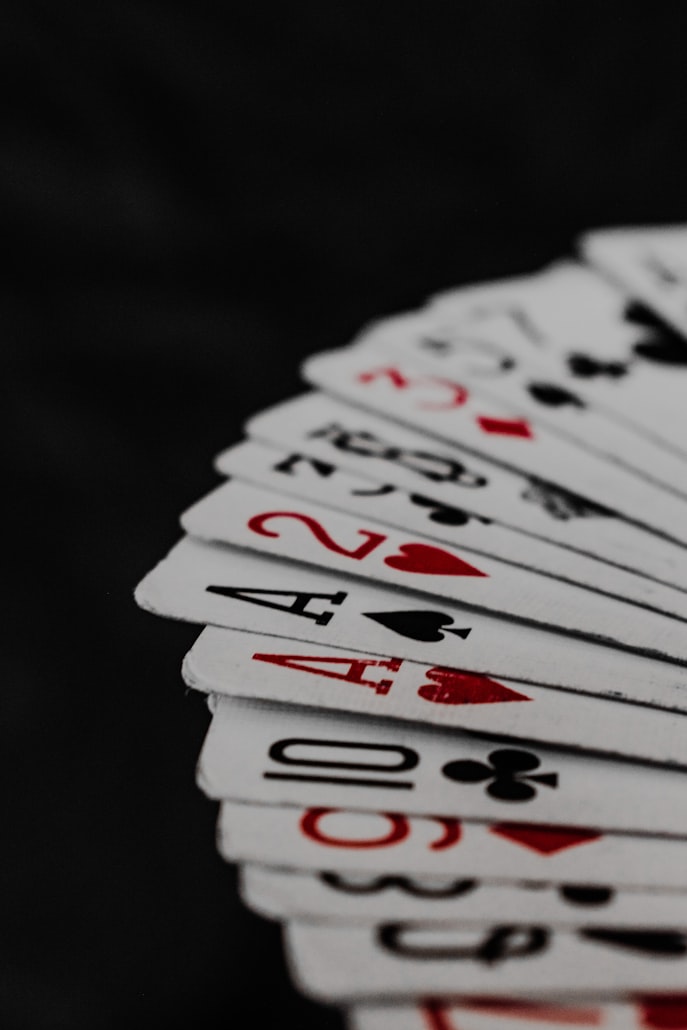
For gamblers, cognitive biases can manifest in various ways, such as overconfidence, where individuals believe they can predict outcomes better than they actually can. This can lead to increased betting and risk-taking, as players may think they possess special insight into the games, despite the fact that outcomes are predominantly based on chance. The allure of sites such as Pin Up Casino may sometimes reinforce this mindset.
The Gambler’s Fallacy
One of the most common cognitive biases in gambling is the gambler’s fallacy, which is the mistaken belief that past events influence future probabilities in random games. For instance, if a coin has landed on heads several times in a row, a gambler may irrationally assume that tails is due, even though each flip is an independent event. This misjudgment can lead to poor betting strategies and increased losses.
The gambler’s fallacy can be particularly detrimental in environments like casinos, where the continuous availability of games can amplify the urge to chase losses. Gamblers may continue to place bets in hopes of a turnaround, often leading to greater financial loss and emotional distress.
Confirmation Bias in Gambling
Confirmation bias is another cognitive distortion that affects gambling behavior. This bias occurs when individuals seek out or give weight to information that confirms their pre-existing beliefs while disregarding contradictory evidence. For gamblers, this might involve focusing on winning streaks while ignoring a series of losses.
This selective attention can create an illusion of control, leading players to believe that their strategies are effective or that certain games are «hot.» Over time, this can contribute to harmful gambling patterns as individuals become increasingly convinced of their ability to outsmart the system, despite evidence to the contrary.
The Role of Emotion in Gambling Decisions
Emotional factors also play a critical role in gambling behavior, often intertwined with cognitive biases. When emotions run high—whether due to excitement from wins or frustration from losses—gamblers may engage in riskier behaviors. The influence of emotion can cloud judgment, leading to decisions that prioritize immediate gratification over long-term consequences.
For example, during moments of euphoria after a win, gamblers might be more likely to increase their bets, convinced that their luck will continue. Conversely, after a loss, the desire to recover lost funds can lead to reckless gambling. Understanding this emotional aspect is vital for promoting responsible gambling practices.

Responsible Gambling Practices and Resources
To counteract the negative impacts of cognitive biases on gambling behavior, it is essential for individuals to engage in responsible gambling practices. This includes setting limits on spending and recognizing the signs of problematic gambling. Players should also educate themselves about odds and probabilities to counteract misconceptions that arise from cognitive biases.
Websites like Pin Up Canada provide valuable resources for responsible gambling, including self-assessment tools and links to support organizations. By promoting awareness and education about the effects of cognitive biases, these platforms encourage a healthier approach to gambling, fostering an environment where players can enjoy the entertainment without succumbing to harmful behaviors.